Moisturiser gel is one of the most common choices for people who feel their skin gets greasy by afternoon. Many people with pimples also think that a thick cream will make things worse. But is a gel always the better pick? The honest answer is not always.
Both gels and creams have a place in skincare, and the right one depends on your skin type, the ingredients, the weather, and how your skin feels. In this blog, we will look at the real differences in simple words, so you can choose with confidence.
Gel vs Cream: A Practical Comparison
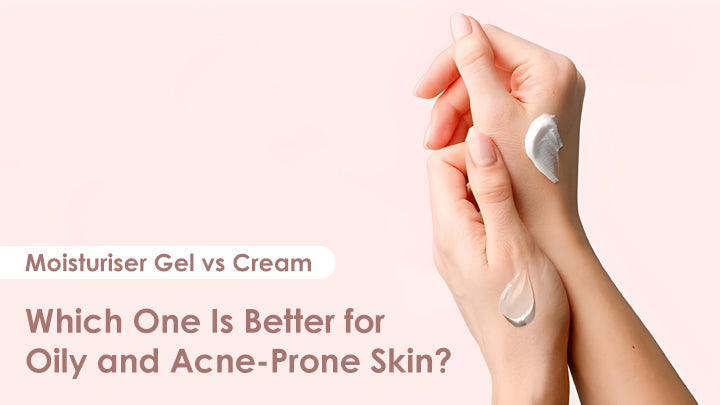
A gel moisturiser is usually light, clear or semi-clear, and water-based. It spreads easily and sinks in fast. A cream moisturiser is thicker and creamier, and it often contains more oils and butters. This is why a cream can feel rich and cushiony on the skin.
Texture and Feel
When you touch a gel, it feels cool and fresh. It rarely leaves a heavy layer on your face. A cream feels softer and denser. Some people love that comforting feeling, especially in winter. Others find it too heavy, especially in hot and humid weather.
Hydration, Absorption, and Finish
Skin hydration means giving your skin water and helping it hold on to that water. A hydrating gel adds a light layer of moisture and is usually absorbed quickly, so the finish is often fresh and non-sticky.
A cream usually leaves a slightly more protective layer on top, which can help slow down water loss. For this reason, a cream moisturiser is often liked by people with dry skin.
Which One Suits Which Skin?
Gels are often liked by people with oily or combination skin, while creams are often liked by those who need a moisturiser for dry skin. But please remember that these are general patterns, not fixed rules.
Some people with oily skin use a light cream in winter, and some people with dry skin like a gel in summer. The best choice depends on your skin type, the ingredients in the product, your climate, and how your skin behaves day to day.
Oily, Combination, and Acne-Prone Skin
Oily skin makes extra sebum, which is the natural oil of the skin. This is why the face may look shiny, especially on the forehead and nose.
Combination skin is a mix. It may be oily in the T-zone (forehead, nose, and chin) but normal or dry on the cheeks. Acne-prone skin is skin that gets pimples, blackheads, or whiteheads more easily. A person can have oily and acne-prone skin together, but not always.
Why Lightweight Moisturisers Are Often Preferred
People with oily skin often like a lightweight moisturiser because it does not feel greasy. A thick product can feel uncomfortable on skin that already feels oily, and some people feel it makes their face look shinier. A light gel moisturiser is easy to layer and easy to wear in a warm climate like ours.
Oily Skin Still Needs Hydration
Many people think oily skin does not need any moisturiser. This is a common myth. Oil and water are not the same thing. Skin can be oily and still be short of water. If you wash your face often, use strong products, or spend the day in an air-conditioned room, your skin can lose moisture.
When skin feels tight or dehydrated, some people notice it feels more uncomfortable or looks dull. So skipping moisturiser completely may not be the best idea. A simple, light moisturiser for oily skin is usually a safer habit.
What Acne-Prone Skin Should Look For
If you have acne-prone skin, look for products that say non-comedogenic on the label. This means the product is made in a way that is less likely to block pores. Also try to choose fragrance-free or mild formulas, as strong perfumes can irritate some skin.
Most importantly, read the full ingredient list. Do not choose a product only because it says "gel" on the front. Not every gel moisturiser is non-comedogenic, and not every gel is suitable for acne-prone skin. If your acne is painful, severe, or does not settle, it is wise to speak to a dermatologist.
Texture, Hydration, Pore-Clogging, and Layering
How Hydration Works
Think of your skin like a sponge. When it has enough water, it feels soft and smooth. A moisturiser helps in two ways. Some ingredients draw water into the top layer of skin, and others form a thin layer that helps keep that water from escaping.
Gels usually focus more on the first job, while creams often do more of the second. Many products do a bit of both.
Can a Lightweight Product Still Hydrate Well?
Yes, it can. Heavy does not always mean better. Many people with normal, oily, or combination skin find that a lightweight moisturiser gives enough comfort for daily use. But if your skin is very dry or flaky, a light gel alone may not feel enough for you.
Pore-Clogging in Simple Words
Pores are tiny openings on the skin. When oil, dead skin, and dirt collect inside them, they can get blocked, and this may lead to pimples.
Some heavy ingredients can add to this problem for certain people. But this does not happen the same way for everyone, and it depends on the formula, not just the texture. That is why checking ingredients matters more than only checking whether a product is a gel or a cream.
Layering with Serum, Acne Treatments, Sunscreen, and Makeup
The usual rule is to go from the thinnest product to the thickest. Apply a watery serum first, then your moisturiser. If you use an acne treatment prescribed by a doctor, apply it as advised, and use the moisturiser after it or as directed.
In the morning, sunscreen goes after moisturiser as the last skincare step. Makeup comes after that. Give each layer a minute to settle so that products do not roll off or feel sticky.
The Vyasa Moisture Quench Face Gel
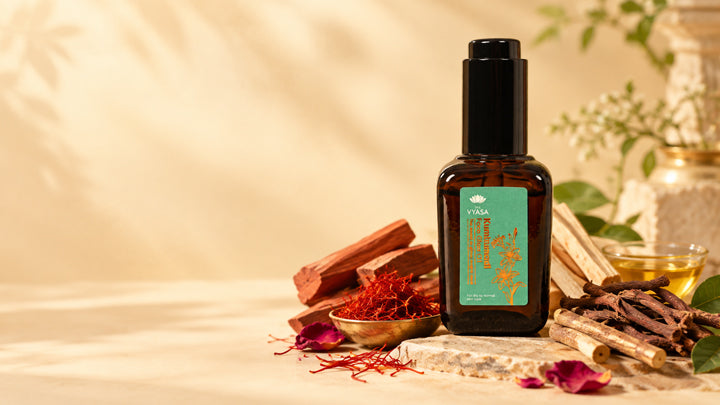
The Vyasa Moisture Quench Face Gel is a nourishing face gel made for dry to normal skin. Its gel base makes it lighter than a thick cream, so it suits people who want a fresh feel but still need nourishment.
It is important to be clear here. The brand states that this product is not suitable for oily, combination, and acne-prone skin. This shows the point we made earlier: not every gel is meant for every skin type.
A gel texture does not automatically make a product right for oily skin. If your skin is oily or acne-prone, please choose a product made for your skin type. If your skin is dry or normal, a gel like this may be worth considering. As with any new product, it is wise to do a small patch test first.
Ingredients in The Vyasa Moisture Quench Face Gel
The brand highlights five ingredients on its product page. The points below come from the brand's own information, and results can be different for each person.
Avocado
Avocado is a fruit that is rich in natural oils. According to the brand, it helps prevent moisture loss and hydrates the skin. The brand also says it contains nutrients such as potassium, lecithin, and vitamin E. In simple words, avocado is there to add softness and nourishment.
Aloe Vera
Aloe vera is a popular plant in Indian homes and is widely used in skincare. It is known for its soothing feel and its light, watery texture. The brand says it helps soothe the skin and supports skin texture. It is often used in gels because it feels cooling and gentle on the face.
Green Tea
Green tea is commonly used in skincare because it is rich in plant compounds. The brand states that it helps protect against sun damage, helps regulate sebum production, and supports radiant-looking skin.
Please remember that it does not replace sunscreen, and this is only the brand's description, not a promise of results.
Birch Bark
Birch bark comes from the birch tree. The brand describes it as an ingredient that helps brighten, tighten, and nourish the skin. In simple terms, it is added to help the skin look fresher and feel smoother.
Tea
Tea is listed as a separate ingredient by the brand. The product page states that it supports blood flow and skin elasticity and that it helps with acne and uneven skin tone.
These are the brand's stated benefits. Skin responds differently in different people, so no one should expect guaranteed results.
How to Use a Moisturiser Gel in Your Skincare Routine
A moisturiser goes on after cleansing and after any serum or toner you use. Take a small amount, warm it between your fingers, and spread it gently over your face and neck.
For a morning routine, you can wash your face, apply a serum if you use one, then apply your moisturiser, and finish with sunscreen. Sunscreen is important during the day, even when the sky is cloudy, because moisturiser alone does not protect you from the sun.
For a night routine, cleanse your face, apply any treatment or serum as directed, and then apply your moisturiser as the last step. At night, your skin repairs itself, and a moisturiser supports this by keeping the skin comfortable.
For The Vyasa Moisture Quench Face Gel, the brand says it can be applied on damp or dry skin. Applying it on slightly damp skin may feel smoother for some people. Please follow the directions given on the pack.
Is Gel Moisturiser Always Better Than Cream?
No, and it would not be fair to say so. A gel may feel better for oily or combination skin, especially in humid weather. A cream may feel better for dry skin or in cold, dry weather.
Acne-prone skin needs even more care because the ingredients matter more than the texture. Two products can both be gels, and one may suit you while the other does not.
Texture alone does not decide whether a moisturiser is right for you. Your skin type, the full formula, the season, and your own skin response all play a part.
Conclusion
Both gel and cream moisturisers have their own strengths. A gel is usually lighter and fresher, and many people with oily or combination skin like it. A cream is usually richer and often suits dry skin better. But texture is only one part of the story.
The right choice depends on your skin type, your hydration needs, the ingredients in the product, and how your skin responds. Read the label, patch test new products, and be patient. If you have stubborn acne or skin problems, a dermatologist can guide you best.
FAQs
1. What is the use of moisturiser gel?
A moisturiser gel adds light hydration to the skin and helps keep it soft and comfortable. It is usually water-based, absorbs quickly, and does not feel heavy. Many people use it as part of a daily skincare routine.
2. Which is the best gel moisturiser?
There is no single best gel moisturiser for everyone. The right one depends on your skin type, your skin concerns, and the ingredients. Read the label carefully and choose a product made for your skin type.
3. Are gel moisturisers good?
Yes, gel moisturisers can be a good choice, especially for people who like a light and fresh feel. However, they are not right for every skin. Very dry skin may need something richer.
4. What is the difference between moisturiser and moisturising gel?
'Moisturiser' is the general name for any product that hydrates the skin, and it can come as a cream, lotion, or gel. A moisturising gel is one type of moisturiser with a light, water-based texture. So a gel is a kind of moisturiser, not something separate from it.
5. Can I use hydrating gel instead of moisturiser?
For some people with oily or normal skin, a hydrating gel may be enough. But if your skin feels tight or dry after using it, you may need a moisturiser that gives more protection. Pay attention to how your skin feels through the day.
6. What is the 3-minute rule for moisturiser?
This is a popular skincare tip that says you should apply moisturiser within about three minutes of washing your face or bathing. Your skin is still slightly damp at that time, and it may help hold in more moisture. It is a simple habit, not a strict rule.
7. Can oily skin use a cream moisturiser?
Some people with oily skin can use a light cream, especially in winter or in air-conditioned places. The key is to choose a non-comedogenic formula and see how your skin reacts. If it feels greasy or you get breakouts, switch to something lighter.
8. Can acne-prone skin use a moisturiser?
Yes, acne-prone skin still needs moisture, especially if you use acne treatments that can dry the skin. Choose a mild, non-comedogenic, fragrance-free product. If you are unsure, ask a dermatologist.
9. How much moisturiser should I apply on my face?
A small amount is usually enough, about the size of a coin for the whole face. Using too much may feel heavy and sticky, while using too little may not cover the skin well. You can adjust a little based on how your skin feels.
10. Can I use a moisturiser gel in winter?
Yes, if it keeps your skin comfortable. In winter, dry skin may need a richer product, so you may want to switch to a cream or use a gel with a heavier layer over it. Notice how your skin feels and change your routine when needed.